“Achieve Breakthrough Innovation with Data-Driven Insights. Realize the power of KEPLER Consulting’s domain expertise to transform your business.”

With the domain expertise of the researchers and engineers at KEPLER Consulting, Kepler Advanced Analytics is a pioneer in that they leverage their know-how in order to operationalize data-driven decision-making and extract groundbreaking insights in every domain, using cutting-edge analytics tools and technologies.

The first step in the process of Innovation Analytics: we mix and match analytics tools to power-up data, adjacent modes to discover what your customer is asking better than anyone else.

To constantly evolve beyond performance data and analytics and, not only uncover new revenue and markets, but also outpace competitors looking for new innovation within today’s fast-paced enterprise software space.

The analysis-driven discovery of new, unique patterns or slices of data tells us where new potential opportunities lie, and drives the creation of new products, new services, or optimizes existing processes that will likely have a positive impact on the bottom line and customer satisfaction.

Similarly, analytics continuously will help you identify ways to excel by eliminating inefficiencies, reducing cycle time, reducing Cost of Quality, and innovating in areas that are key in enhancing your customer experience to meet or surpass service level agreement (SLA) commitments.

Working in tandem, Innovation Analytics brings unknown inefficiencies to light, reasons behind logjams into the open and even helps unearth chances for growth that wouldn’t have been accessible otherwise. Our solutions encourage organisations to take full advantage of analytical capabilities and drastically change the status quo in business processes at the same time.
Our Expertise in Innovation Analytics

  • Ensuring accurate data and selecting appropriate models for predictive analysis are crucial steps in any data analytics process. Using relevant variables in your simulations is important because you want the output to be as close to real-world conditions as possible.
  • In scenario modeling, if the client does not provide specific market trends or technology trends, estimates can be made.
  • For selecting an analytical technique, emerging technologies are analyzed and we are able to adopt whatever is applicable.
  • Innovation Strategy: Leverage predictive models in determining the innovation strategy and making decisions about R&D investment
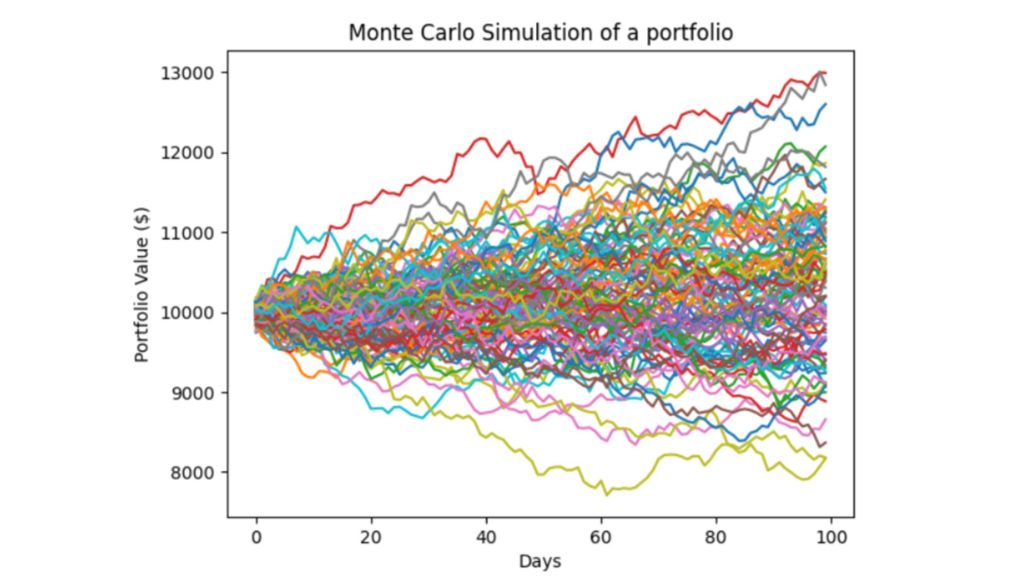
  • Project Prediction: Bolster project outcomes by predicting them and combatting uncertainty via a Monte Carlo simulation model
  • Market Conditions and Technology Analysis: Perform data analysis to predict market conditions and technology values, and make informed decisions on necessary investment
  • Tech Landscape Analysis: A wider scope of tech insights could lead to a more conclusive overview of the tech landscape in terms of strategic planning
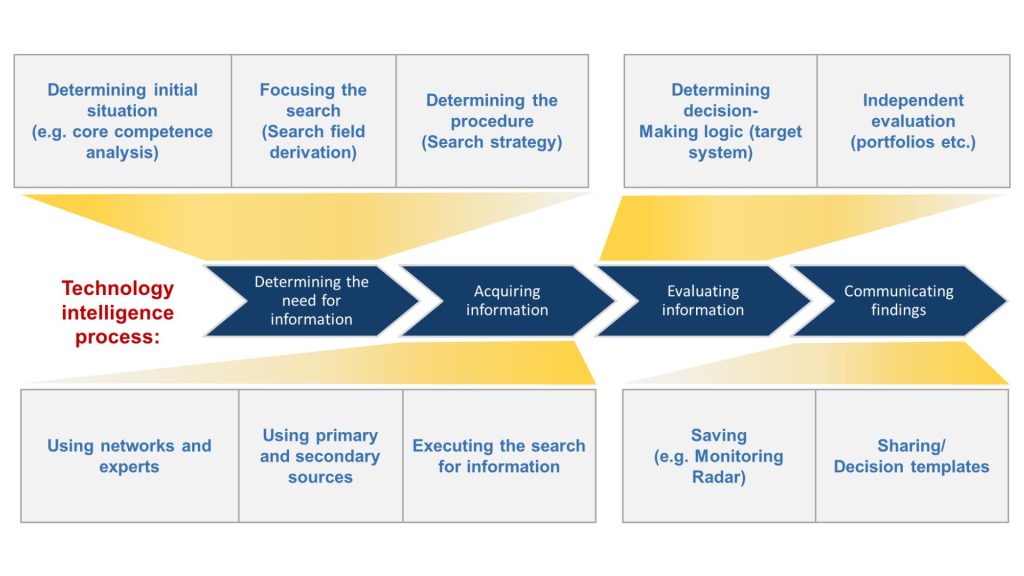
  • Collecting and analyzing information from a variety of sources to understand how technology can be utilised in the future in technology intelligence
  •  Identifying the current advantages and disadvantages of competitor’s technologies, patents and research and development efforts by conducting R&D investment analysis.
  • Providing reliable patent analyses to help ensure strong IP strategies and minimize enforcement risks. Recognizing as well as examining the latest technology developments and trends and delivering well-timed insights to clients.
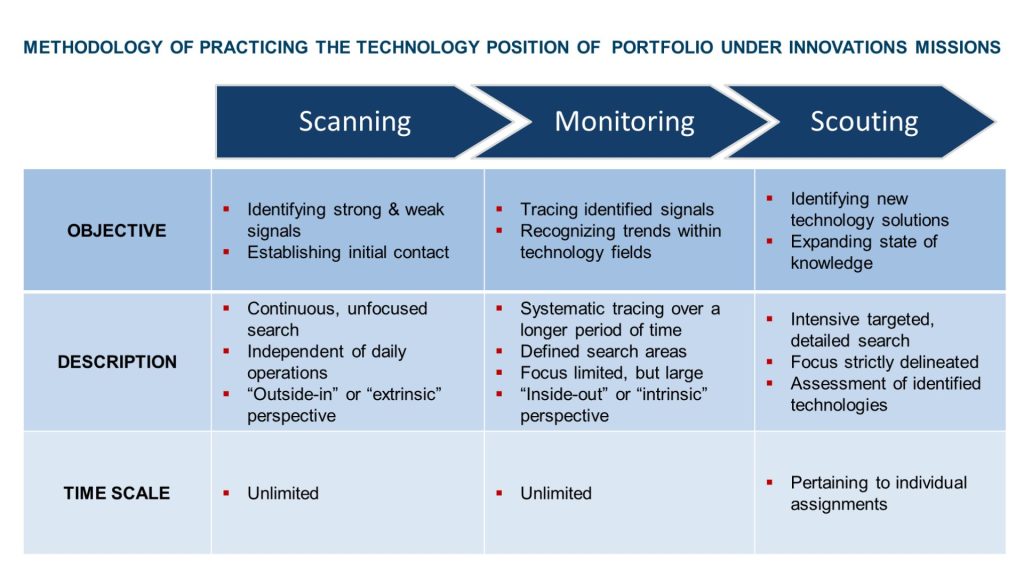
  • Technology monitoring Gaining knowledge about emerging technologies to create innovation strategies and R&D plans. The information supplied here should not be constructed as advice and is not meant to be treated as such.
  • Facilitate collaboration and manage intellectual property imp in multi-organization partnerships and ensuring confidentiality, in innovation management.
  • Comprehensive analysis and insightful information on the ever-evolving technological landscape is just a click away
  • Competitor Analysis and Benchmark Technology: Detailed analysis and comparison to other technological advancements are important for competition
  • Developing an IP strategy with Patent Analysis: Use your IP knowledge to plan a strategy with purpose
  • Ongoing technology watch and monitoring: to make proactive decisions, remain aware of technology trends via constant monitoring
  • Forecasting and Identifying the Changes in Innovation Trends: Recognize the trends in innovation, upcoming opportunities can play a bigger role in devising and implementing new models and services
  • Open Innovation and Collaboration: Efficient and easy open innovation with collaboration management.
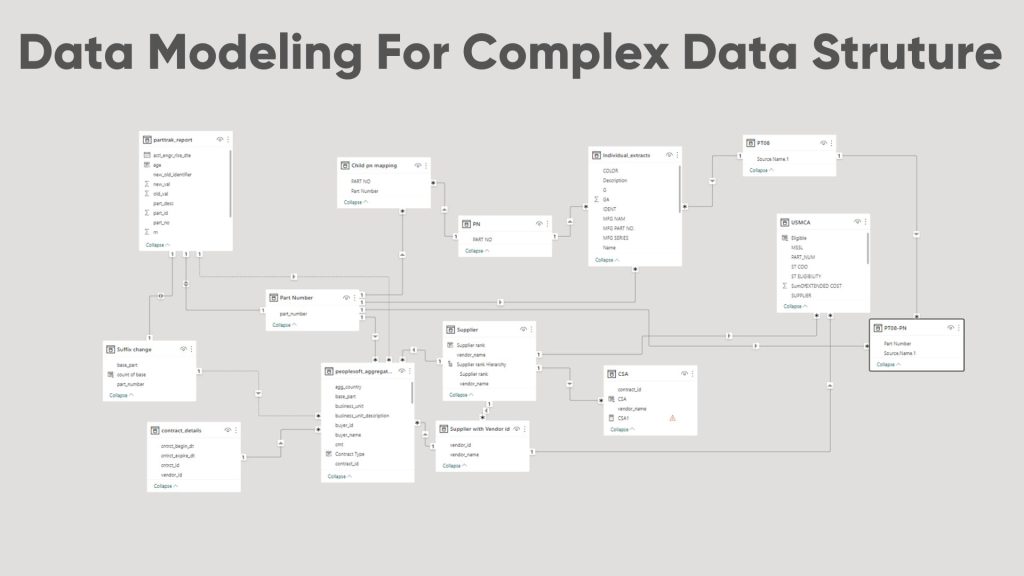
  • Dealing with large data volumes, making sure data is good and picking which data to use in analysis
  • Predicting failures through sensor data analysis and advanced analysis in predictive maintenance
  • Making sure data is right, fixing missing data, and giving full insights in data analysis
  • Picking the right ways to make models and making sure data can be trusted in modelling and analysis
  • Finding the right problems in data for anomalies and not getting too many false alarms
  • Getting the alarms on time and making it so we can take action right away from the insights from real-time analytics
  • Following assets right, making the best use of their use, and using analysis that is advanced for fixing things in asset management
  • Sensor Data Processing and Analysis: Use sensor data to make better, more informed decisions. Take raw data from sensors and derive valuable insights
  • Predictive Maintenance Analytics: Predict what could happen in the future and make proactive decisions
  • Environmental Monitoring Analytics: Set up to ensure that environmental regulations are met
  • Predictive Modeling for Future Trends: Leverages machine learning for data pattern recognition, building a predictive model based on extensive data modeling
  • Anomaly Detection and Corrective Actions: Detect anomalies and immediately solve the issue
  • Real-time Monitoring and Timely Alerts: Urgent actions against spamming using real time monitoring and alerts
  • Asset Management Analytics: Use Data Analytics with Asset Management for advanced Asset Optimization and Planning
  • Planning for capital expenditures can be tricky due to the challenges of cost estimation, investment levels, and their linking with the overall business strategy.
  • Strategic challenges in resource management often involve balancing conflicting departmental requirements, allocating resources in ways that take advantage of growth potential, and fitting such decisions into a coherent strategy.
  • Capacity planning “challenges include accurately forecasting demand: balancing between long-term capital planning and short-term operational” requirements, steady state and peak demand, and organization and business unit requirements.
  • Growth planning “challenges include predicting future demand patterns, increasing capacity, considering organizational impacts” and strategic alignment.
  • Enter new markets “creating difficulties in terms of the identification of markets, the costs of entering them, and compliance with the strategic plan.”
  • Product launch “involves the identification, implementation, and measurement of strategies that are aligned with established objectives.”
  • “Getting a patent in product development includes determining something has value, being consistent with the goals of the company, and making your way through the patent landscape in relation to others.”
  • Challenges in resource management include optimizing allocation, identifying growth potential, and aligning with strategy
  • Capacity planning challenges involve accurate forecasting demand, planning expansion, and aligning with strategy
  • Growth planning challenges include forecasting potential, identifying strategies, and aligning with objectives
  • Market expansion poses challenges in identifying markets, estimating costs, and aligning with strategy
  • Product launch presents challenges in identifying strategies, measuring impact, and aligning with strategy
  • Challenges in patent strategy include assessing value, aligning with objectives, and navigating the patent landscape
  • CAPEX Analytics: We help companies like yours to make better investment decisions. We provide tools and processes for scenario modeling, sensitivity analysis, and benchmarking to ensure that the project is worth it. This way, everything should align nicely with your peers for optimal investment decision.
  • Resource Allocation: Allocate (or redeploy) resources effectively as your business grows: requiring comprehensive resource utilization analysis, scenario modeling, and optimization.
  • Modeling of Capacity Growth: We must stay ready for what the real demand will be soon. Hence, demand forecasting, supply chain optimization, and effective capacity expansion strategies all form part of feasible cost-benefit analysis.
  • Future Growth: Our experts have the insights into market research data, patterns and players that will make your future look good.
  • New Market Exploration (Greenfield Projects): Greenfield projects always need special skills and experience in managing and predicting costs – as well as strong knowledge in market research to really find out how well a new project will perform financially before you go further.
  • Experiment Design: You have to keep trying, right? So redefine or develop new pricing strategies for various conditions, implement them as an experiment, and learn things through the process.
  • Patent Analytics: The cleverest and most original minds like yours use our tool to compare their patents’ landscapes. It’s an effective tool you can use to find gaps in the market.
  • Collaboration Issues stem from Data Integration Difficulties
  • Estimating changes in designs is difficult
  • Incomplete or imprecise product data is an impediment
  • A generalized VAVE framework is lacking will cause interference
  • VAVE implementation faces friction & limitations that prevent benefits
  • Vave Opportunities: Find and prioritise opportunities to save money with your products
  • Cost Reduction Analytics: Use analytics to find ways projects can be more efficient such as value stream mapping
  • Cost Reduction Analytics: Leverage analytics to optimise product design through simulation and other tools
  • Value Analysis Analytics: Understand consumer requirements and their perceptions to determine worth
  • Benchmark Analytics: If there are areas which require enhancement that unleash the potential for better productivity or development, then benchmarking is important in this regard.

Industries We Serve

Our Business Cases On Innovation Analytics

Creating Control Tower for a commercial vehicle market leader

Cost Modeling for an Electronics manufacturing services Company​

Cost Modeling for a Heavy Automotive Manufacturer

Building Costed BOM for a Medical Equipment Manufacturer

Market Research Study on Various Raw Materials Sourced by a Cosmetic Client

Building A Comprehensive Spend Analytics Dashboard For A Kitchen Brand

Want To Connect With Our Innovation Expert Team?